
Related Blogs

Office Furniture Ideas for Efficient Cebu Workplaces
13 minutes, 31 seconds
-219 Views 0 Comments 2 Likes 0 Reviews
A productive office starts with a space that supports the people using it every day. Office furniture is more than a collection of desks and chairs because it influences comfort, organization, movement, collaboration, and the overall appearance of a workplace. Businesses in Cebu have different requirements depending on their industry, workforce, available floor area, and daily operations. A startup may need a compact setup that can grow with its team, while an established company may require executive desks, conference tables, reception counters, storage systems, and dedicated workstations. The best approach is to select furniture according to how the workplace actually functions. When every piece has a practical purpose, the office becomes easier to use and maintain while presenting a professional environment for employees, customers, and business partners.
Understanding the Purpose of Each Area
Every section of an office has a different function, so furniture should be selected according to the activities performed there. The reception area needs a welcoming counter and comfortable seating for visitors. Individual work areas require desks with enough surface space for computers, documents, and everyday accessories. Meeting rooms need suitable tables and chairs that encourage communication. Storage areas should provide easy access to files, supplies, and equipment without taking unnecessary floor space. Executive offices may require a larger desk and additional seating for private discussions. By considering each area separately, businesses can create a workplace where furniture supports the purpose of the room instead of simply occupying available space.
Making Small Offices Feel More Spacious
Limited space does not have to prevent a business from creating an attractive and functional workplace. Many Cebu businesses operate from offices where every square meter needs to be used carefully. Selecting furniture with suitable dimensions can help maintain clear walkways and reduce a crowded appearance. Compact desks, modular workstations, mobile storage units, and streamlined seating can provide practical solutions for smaller offices. Furniture can also be positioned to create clear zones for working, meeting, storing supplies, and receiving visitors. Keeping unnecessary items away from common pathways makes movement easier and helps the entire workplace feel more open.
Choosing Comfortable Employee Seating
Employees often spend a significant portion of their working day at their desks, making seating an important part of office planning. A suitable office chair should provide adequate support and allow employees to sit comfortably while completing their regular responsibilities. Adjustable features can make it easier to accommodate different body types and working preferences. The relationship between the chair and desk should also be considered because an unsuitable height can make a workstation uncomfortable. Comfortable seating is especially valuable in computer-based workplaces where employees may remain at their desks for extended periods. Investing in appropriate chairs can contribute to a more pleasant working environment and encourage employees to maintain better working habits.
Selecting Desks for Different Work Styles
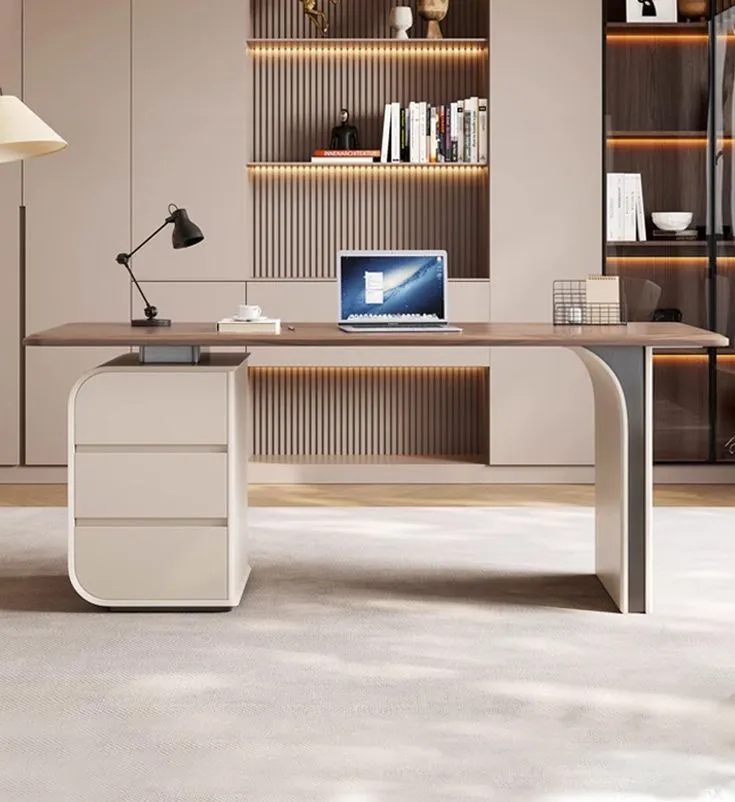
Not every employee performs the same type of work, which means a single desk design may not suit every department. Administrative employees may need space for paperwork, files, and computer equipment. Designers and creative professionals may benefit from larger surfaces that allow them to work with drawings, samples, or multiple screens. Customer service teams may need compact individual stations arranged in an efficient pattern. Managers may require additional workspace for meetings and documentation. Businesses should evaluate the tasks performed by each team before selecting desk sizes and configurations. This simple planning step can make the workplace more practical and prevent businesses from purchasing furniture that does not match employee requirements.
Improving Organization Through Storage
Workplace clutter can affect both appearance and efficiency. Files, stationery, equipment, and personal belongings can quickly occupy valuable desk space when proper storage is unavailable. Filing cabinets, mobile pedestals, cupboards, shelves, and lockers can provide designated locations for different types of items. Storage should be positioned where employees can access frequently used materials without disrupting other workers. Confidential documents may require secure storage, while common supplies can be kept in shared cabinets. A well-organized storage system also makes cleaning and maintenance easier because fewer items remain scattered around workstations.
Creating Effective Team Workstations
Modern businesses often rely on teamwork, making workstation design an important consideration. Open workstations can allow employees to communicate easily, while partitioned designs can provide some separation when concentration is necessary. The ideal configuration depends on the company's workflow. Teams that communicate frequently may benefit from workstations positioned close together. Employees handling confidential information may need greater privacy. Modular workstation systems offer flexibility because their configuration can be adjusted when teams change. This can be especially helpful for growing businesses that expect to add employees or reorganize departments in the future.
Designing Professional Reception Areas
The reception area creates an immediate impression of a business. Visitors often judge the professionalism and organization of a company based on what they see when entering the workplace. A well-designed reception area should be clean, comfortable, and consistent with the company's overall identity. The reception counter should provide sufficient working space for staff without making the entrance feel crowded. Visitor chairs should be comfortable and arranged so people can wait without interfering with employee movement. Additional elements such as appropriate storage and organized document areas can keep the reception space looking neat throughout the day.
Planning Practical Meeting Rooms
Meetings are an essential part of many businesses, so conference areas should support productive discussions. The table needs to provide sufficient space for participants, laptops, documents, and other meeting materials. Chairs should be comfortable enough for longer discussions, while the room should allow people to move around easily. Businesses should also think about technology requirements when arranging the space. Power outlets, display screens, charging points, and cable management can make modern meeting rooms more convenient. A properly planned meeting area can serve internal discussions, client presentations, interviews, training sessions, and collaborative activities.
Matching Furniture With Company Identity
The appearance of a workplace can communicate important information about a business. Clean and coordinated furniture can create an organized impression, while mismatched pieces may make an office appear unfinished. Businesses can select finishes, materials, and designs that complement their branding and interior style. Neutral furniture can create a professional and timeless appearance, while carefully selected accents can add personality. The goal should be consistency rather than filling the workplace with unnecessary decorative elements. A balanced office design can remain professional while still providing a comfortable environment for employees and visitors.
Considering Quality and Everyday Use
Furniture used in a commercial environment needs to withstand regular activity. Desks are opened and closed, chairs are moved, cabinets are accessed, and meeting tables are used repeatedly. Quality therefore matters when businesses are planning their long-term workplace investment. Materials should be selected according to the level of use and the conditions of the office. Easy-to-maintain surfaces can save time during routine cleaning, while durable construction can reduce the need for frequent replacement. Businesses should compare quality, functionality, design, warranty options, and expected lifespan rather than choosing products based solely on the lowest initial cost.
Preparing the Office for Future Changes
Business growth can quickly change the way an office needs to function. Additional employees may require more workstations, while new departments may need separate areas for meetings and storage. Furniture that allows rearrangement can make future changes easier. Modular designs are particularly useful because businesses can adjust layouts without replacing every piece. It is also helpful to choose furniture styles that can be matched later. Planning for growth from the beginning can reduce unnecessary expenses and minimize disruption when the company expands.
Supporting Productivity Through Better Layouts
Furniture placement can be just as important as furniture selection. Employees need enough room to move between workstations, storage areas, meeting spaces, and shared facilities. Desks should not block walkways, and frequently accessed storage should be easy to reach. Departments that work closely together can be positioned near one another to improve communication. Areas requiring concentration can be separated from busy zones where conversations and movement are frequent. A thoughtful layout allows employees to complete everyday tasks with fewer interruptions and helps the office operate more smoothly.
Making Smart Furniture Decisions in Cebu
Businesses in Cebu can benefit from approaching workplace design with both practicality and long-term planning in mind. Office furniture should support the company's current operations while allowing enough flexibility for future changes. Before purchasing, businesses can measure their available space, identify employee requirements, determine storage needs, establish a realistic budget, and decide which areas require specialized furniture. This process helps prevent unsuitable purchases and makes it easier to develop a coordinated workplace. The final goal should be an office where employees can work comfortably, teams can communicate effectively, and visitors receive a positive impression.
Creating a Workplace With Lasting Value
A well-planned office can provide value long after the furniture has been installed. Comfortable workstations can make daily activities easier, organized storage can reduce clutter, and suitable meeting furniture can support collaboration. A professional reception area can strengthen the first impression made on clients, while flexible workstations can help a company adapt as its workforce changes. Businesses should therefore view furniture as part of their overall workplace strategy rather than as a simple interior purchase.
Conclusion
Creating an effective Cebu workplace requires careful attention to space, comfort, organization, appearance, and future business needs. The right furniture can help employees work efficiently while giving visitors a professional impression of the company. From desks and ergonomic seating to storage systems, reception counters, and conference tables, every selection should contribute to a clear purpose. Businesses that plan their layouts carefully can create practical offices that remain useful as their operations develop. For companies looking for suitable workplace solutions, Cebu office furniture den can be a useful option to consider when planning a functional and professional office environment.

Photos


Share this page with your family and friends.