
Related Blogs

Office Furniture Philippines: Smart Planning For Productive Workplaces
12 minutes, 55 seconds
-248 Views 0 Comments 1 Like 0 Reviews
A productive workplace starts with a space that allows employees to work comfortably, stay organized, and communicate effectively. Choosing suitable Office furniture can make a noticeable difference in how a business uses its available area. The right combination of desks, chairs, workstations, storage cabinets, conference tables, and reception pieces can create a workplace that feels professional without sacrificing practicality. For businesses in the Philippines, furniture decisions should reflect the size of the office, working style, employee requirements, company image, and long-term plans.
Understanding The Purpose Of Your Office
Before buying furniture, businesses should first determine how each part of the workplace will be used. An office may include individual work areas, private rooms, meeting spaces, reception facilities, break areas, and storage sections. Each zone has a different purpose, so furniture should be selected accordingly.
A department that handles computer-based work may require spacious desks and comfortable task chairs. A management area may need executive desks and visitor seating, while a meeting room requires a suitable conference table and enough chairs. Understanding these requirements makes furniture selection more organized and helps prevent unnecessary purchases.
Planning The Layout Before Purchasing
A furniture purchase should begin with proper space planning. Measuring the office allows businesses to understand how much room is available for desks, chairs, cabinets, and shared facilities. It is also important to leave enough space for people to walk comfortably between different areas.
Furniture that is too large can make an office feel restricted, while furniture that is too small may not provide enough functionality. The goal is to find a suitable balance between available floor space and workplace requirements. A simple floor plan can help determine where major furniture pieces should be positioned before installation begins.
Choosing Desks According To Work Style
Different employees perform different tasks, so desk selection should reflect their working habits. A professional who manages documents and meetings may need a larger desk, while an employee who works primarily from a laptop may require a more compact surface.
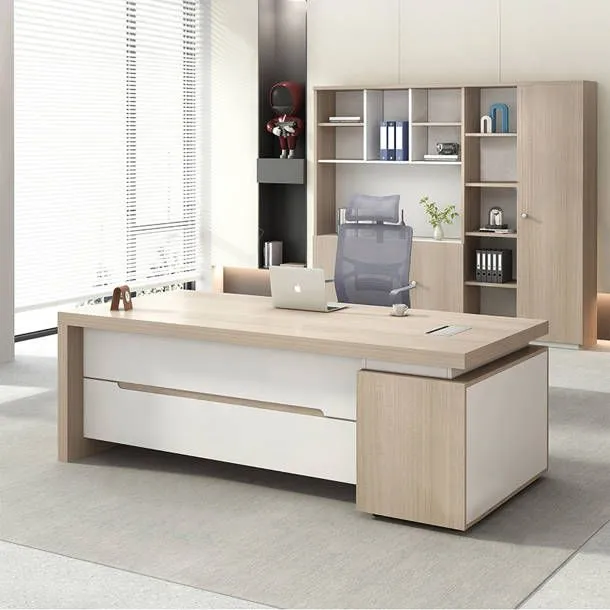
Executive desks can create a formal appearance in management offices, while staff desks are often designed for everyday productivity. Modular desk systems can be useful for businesses that need flexible layouts. Meeting tables should provide enough room for participants, documents, laptops, and other equipment.
Giving Employees Better Seating
Comfortable seating is essential for employees who spend much of their working day at a desk. A properly designed office chair should provide adequate back and seat support while allowing users to adjust the chair to a comfortable position.
Ergonomic chairs can include adjustable seat height, armrests, lumbar support, backrest movement, and other features. These adjustments can make the chair more suitable for different users. Businesses should also consider the quality of the chair's base, wheels, mechanisms, and upholstery when selecting seating for frequent use.
Maximizing Limited Floor Space
Not every company has access to a large office. In smaller workplaces, furniture selection needs to be particularly careful. Compact desks, corner units, modular workstations, and vertical storage can help businesses make better use of limited floor space.
Storage that fits underneath desks can reduce the need for large cabinets. Mobile pedestals can provide personal storage while remaining easy to move. Multi-purpose furniture can also allow a single area to serve several functions, helping smaller offices maintain flexibility.
Creating Areas For Teamwork
Employees often need places where they can discuss projects, review documents, or exchange ideas. A workplace that only contains individual desks may not provide enough opportunities for collaboration. Meeting tables and shared work areas can solve this issue.
A dedicated conference room is useful for formal meetings, but smaller discussion areas can also be created within an open office. A compact table with comfortable chairs may be enough for quick team conversations. The type of collaborative furniture should depend on how frequently employees meet and how many people normally participate.
Designing An Inviting Reception Space
The reception area can influence a visitor's first impression of a company. A well-organized reception desk, comfortable seating, and an uncluttered layout can make visitors feel more welcome.
The reception counter should offer sufficient working space for staff and provide practical storage for essential items. Seating should be arranged so visitors have enough room while maintaining a clear pathway through the entrance. Furniture finishes can also be selected to complement company colors and the wider office interior.
Selecting Furniture For Conference Rooms
Conference rooms require furniture that supports communication and professional discussions. The table should match the size of the room and accommodate the number of participants who normally attend meetings.
Chair selection is equally important. Meeting chairs should provide comfortable support without taking up excessive space. Businesses that regularly use presentations and video conferences should also consider power access, cable organization, display equipment, and suitable surfaces for laptops.
Keeping Documents And Supplies Organized
An organized office requires sufficient storage. Filing cabinets, cupboards, shelving, and pedestals can give employees dedicated places for documents and supplies. Proper storage can prevent desks from becoming crowded with paperwork and equipment.
The amount of storage needed depends on the company's operations. A business that handles physical records may need extensive filing systems, while a mostly digital company may require only limited document storage. Storage should be placed close to the employees who use it most often.
Office Furniture And Workplace Appearance
The appearance of an office can influence how employees and visitors perceive the organization. Coordinated furniture can make the interior look more organized and professional. Businesses can select complementary desk finishes, chair designs, cabinets, and meeting furniture without making every item identical.
Material and finish choices can also influence the atmosphere. Wood-look finishes may create a warm appearance, while minimalist designs can produce a cleaner contemporary feel. The most suitable choice depends on the company's identity and the impression it wants to create.
Considering Durability For Daily Use
Office furniture can experience significant daily wear, especially in busy workplaces. Employees use desks, chairs, drawers, cabinets, and workstations repeatedly, so construction quality matters.
Businesses should examine the materials, joints, hardware, chair mechanisms, surface finishes, and overall construction before making a purchase. Furniture designed for regular commercial use can provide greater reliability. Spending slightly more on durable products may reduce replacement costs over time.
Making Maintenance Easier
Furniture should not only look good when it is installed. It should remain easy to maintain throughout its useful life. Surfaces that can be cleaned easily are practical for busy offices, while durable upholstery can help seating withstand frequent use.
Regular cleaning and simple maintenance can preserve the appearance of desks, chairs, cabinets, and other workplace items. Businesses should also address loose fittings, damaged surfaces, and malfunctioning chair mechanisms promptly to avoid larger problems.
Supporting Modern Workplace Technology
Technology has changed the way offices operate. Employees may use multiple monitors, laptops, docking stations, printers, charging devices, and communication equipment throughout the day. Furniture should therefore accommodate these requirements.
Desks with cable management can help keep wires organized. Larger work surfaces may be necessary for employees using several monitors, while meeting tables can benefit from convenient power access. Planning furniture around technology can produce a cleaner and more efficient workstation.
Choosing Furniture For Growing Businesses
A business may expand after its initial office setup. New employees, additional departments, and changing work arrangements can all affect the furniture requirements. Flexible furniture can make these changes easier.
Modular workstations are particularly useful because they can often be rearranged as teams change. Mobile storage can also be relocated when departments move. Choosing adaptable furniture from the beginning can reduce the need for major replacements later.
Managing The Furniture Investment
A clear budget helps businesses control furnishing costs. Instead of selecting products individually without an overall plan, companies can identify essential requirements and allocate funds accordingly.
The purchase price is only one part of the overall value. Businesses should also consider durability, comfort, maintenance, warranty coverage, installation, and expected lifespan. A product that lasts longer and performs reliably may offer better value than a cheaper alternative that needs frequent replacement.
Creating A Comfortable Employee Experience
A workplace should support employees throughout their daily routine. Comfortable chairs, suitable desks, organized storage, appropriate lighting, and well-planned movement areas can all contribute to a better working environment.
Furniture should also provide enough personal space. Employees need room for computers, documents, stationery, and personal belongings without feeling confined. When the workspace is organized around real employee needs, the office can become easier and more pleasant to use.
Making Practical Choices For The Future
Selecting Office furniture should be viewed as a long-term business decision rather than a short-term decorating project. The furniture should remain useful as the company grows and workplace requirements change. Businesses can benefit from choosing versatile designs, durable materials, ergonomic seating, practical storage, and layouts that can be adjusted when necessary.
A thoughtfully planned office can provide employees with a comfortable place to work while giving clients and visitors a professional impression. From compact workstations to executive areas and collaborative meeting spaces, every furniture choice can contribute to better workplace functionality. By considering space, comfort, durability, technology, appearance, and future requirements together, Philippine businesses can create offices that remain practical for years. Queens arts and trends can provide additional inspiration when businesses are considering how to combine practical workplace requirements with a polished interior style.

Photos


Share this page with your family and friends.