
Related Blogs


Office Table Designs for a Comfortable and Efficient Workplace
11 minutes, 32 seconds
-202 Views 0 Comments 1 Like 0 Reviews
Creating a productive workplace requires more than placing desks and chairs inside a room. Every piece of furniture should contribute to comfort, organization, movement, and the overall appearance of the office. A thoughtfully selected Office table gives employees enough room to work while helping businesses maintain a clean and professional environment. Whether the workplace is a small startup, a busy corporate office, a reception area, or a private executive space, the right furniture can make everyday activities easier and more organized.
Understanding the Role of Office Furniture
Office furniture has a direct connection with how people use their workspace. Employees need sufficient room for computers, files, stationery, communication devices, and other equipment. When the work surface is too small, the desk can quickly become cluttered and uncomfortable. On the other hand, furniture that is unnecessarily large can consume valuable floor space.
A balanced design provides practical working space without making the room feel crowded. Businesses should consider the number of employees, the type of work performed, available floor space, and future expansion when choosing furniture. These factors make it easier to create an office that remains functional throughout the working day.
Selecting Furniture According to Office Size
The dimensions of the workplace should influence every furniture decision. Smaller offices can benefit from compact desks, corner workstations, and modular configurations. These options provide useful working areas while leaving sufficient space for employees to move around.
Larger offices offer greater flexibility. Businesses can introduce spacious individual workstations, collaborative areas, meeting tables, executive furniture, and dedicated storage zones. Instead of filling every available section with furniture, businesses should maintain comfortable pathways and open areas to create better circulation.
A carefully measured floor plan can prevent common problems such as blocked walkways, overcrowded workstations, and insufficient storage. Planning furniture placement before purchasing helps businesses make better use of their available space.
Practical Features for Everyday Work
A good desk should make daily work simpler. Employees often use multiple devices, including computers, monitors, phones, chargers, and other office equipment. Furniture with cable management features can help keep wires organized and reduce visual clutter.
Storage is another useful feature. Drawers, pedestals, shelves, and cabinets can provide convenient places for documents and supplies. When frequently used items have designated storage spaces, employees can maintain cleaner workstations.
Some businesses may also benefit from adjustable furniture. Height-adjustable options allow users to change their working position throughout the day and can provide additional flexibility for modern workplaces.
Creating an Ergonomic Workspace
Comfort should never be overlooked when furnishing an office. Employees may spend several hours at their desks, making suitable dimensions and positioning important considerations. The height of the desk should work well with the office chair, while the surface should provide enough room for essential equipment.
Monitor placement is also important. Screens should be positioned at a comfortable viewing height and distance. Adequate legroom allows employees to sit naturally without feeling restricted.
An ergonomic workspace combines furniture with good working habits. Businesses can support employee comfort by choosing suitable desks, ergonomic seating, appropriate lighting, and accessories that help maintain a practical workstation arrangement.
Popular Office Table Styles
Different furniture styles can suit different workplace environments. Rectangular designs remain popular because they provide a straightforward working surface and can easily be arranged in rows or individual offices. L-shaped designs are useful when employees need additional surface area while working within a corner.
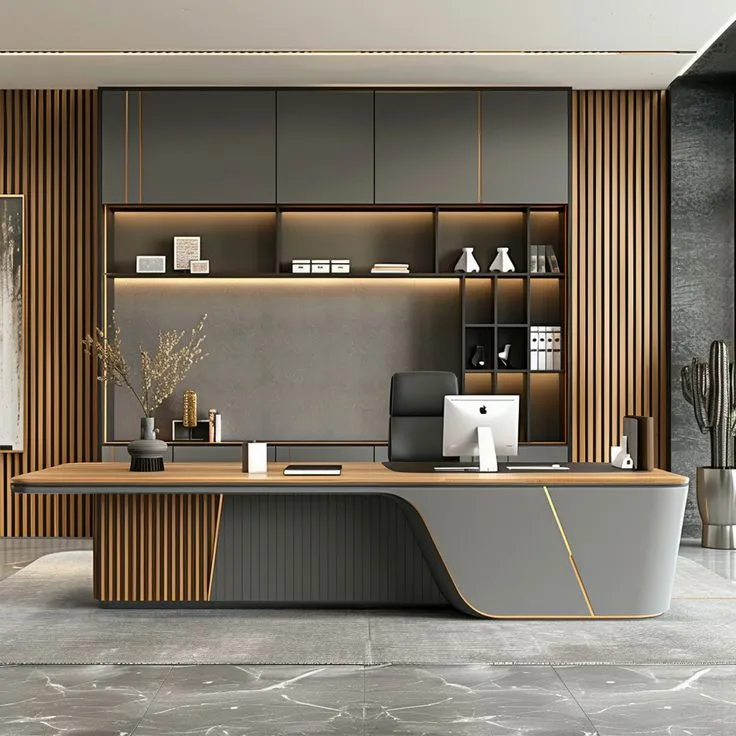
Bench-style workstations can be suitable for open-plan environments where several employees need to work in the same area. Executive designs generally provide more surface space and can create a formal appearance in private offices.
Round and shared tables are useful in meeting and collaboration areas. Their shape can encourage communication by allowing participants to face one another more naturally.
Choosing the Right Materials
Furniture materials affect durability and visual appeal. Laminate surfaces are commonly used in offices because they are available in many colors and finishes and are relatively simple to maintain. Wood-look finishes can create a warm atmosphere, while metal components can add a contemporary touch.
The construction quality should also be considered. Furniture used every day needs strong frames, reliable fittings, durable surfaces, and stable support. Investing in well-constructed furniture can reduce maintenance issues and provide better long-term value.
Businesses should choose materials based on their working environment. A busy office may require surfaces that can withstand frequent use, while a client-facing executive area may place greater emphasis on premium finishes and presentation.
Improving Office Organization
A well-organized workspace can make routine tasks easier. Employees should have convenient access to documents, equipment, and supplies without covering their entire desk with unnecessary items.
Storage solutions can be positioned near workstations so important materials remain accessible. Filing cabinets, mobile pedestals, shelving units, and overhead storage can all contribute to better organization.
Cable management should also be included in the planning process. Loose wires can make an otherwise attractive workplace look untidy. Integrated cable ports and routing systems provide a cleaner appearance and make it easier to manage electronic equipment.
Designing Collaborative Areas
Modern workplaces often include spaces where employees can communicate, brainstorm, and complete group projects. Collaborative furniture should provide enough room for several people while allowing comfortable movement around the area.
Shared work surfaces can support team discussions, informal meetings, and short project sessions. Smaller meeting tables may be suitable for quick discussions, while larger conference furniture can accommodate formal meetings with clients and management.
The placement of collaborative areas matters as well. These spaces should be accessible without creating unnecessary noise or interruptions for employees who require focused working conditions.
Matching Furniture With Office Interiors
Furniture should complement the existing interior design. The finish of desks, chairs, cabinets, and storage units can influence the overall appearance of the workplace. Coordinating colors and materials can make different sections of an office feel connected.
Minimalist interiors often work well with simple furniture featuring clean lines and subtle finishes. More traditional workplaces may benefit from wood-inspired designs and richer textures. The objective is to create an environment that reflects the company's professional identity without sacrificing usability.
A consistent furniture theme can also make an office appear more organized to visitors and clients.
Making Better Use of Small Workspaces
Small offices require careful furniture planning. Instead of selecting oversized pieces, businesses can choose compact designs that provide essential functionality. Wall-facing workstations can make productive use of areas that might otherwise remain empty.
Corner desks can also maximize difficult spaces. Modular furniture provides another advantage because configurations can be adjusted as the business grows. This flexibility is particularly useful for startups and smaller companies that may need to change their workspace layout over time.
Vertical storage can further reduce the pressure on floor space. Shelves and cabinets allow businesses to store important materials without occupying large areas of the room.
Furniture for Different Office Departments
Each department may have unique furniture requirements. Administrative teams may need desks with convenient document storage, while creative departments may require wider surfaces for computers, samples, and design materials.
Reception areas should provide a professional first impression while giving staff enough room to handle daily responsibilities. Meeting rooms need furniture that supports communication and presentations. Executive offices may require larger work surfaces, storage, and comfortable seating for visitors.
By considering departmental needs individually, businesses can avoid using the same furniture arrangement throughout the entire workplace when different tasks require different solutions.
Creating a More Productive Environment
A carefully designed workspace can support concentration, communication, and organization. Employees are more likely to maintain an efficient workstation when they have sufficient room and suitable storage. Clear pathways and sensible furniture placement can also make movement around the office easier.
Lighting, ventilation, seating, technology, and furniture should work together rather than being planned separately. A successful office design considers the complete employee experience and creates a space that feels comfortable throughout the working day.
Final Thoughts
Choosing suitable office furniture is an important part of creating a workplace that is practical, attractive, and comfortable. The right dimensions, materials, storage options, layout, and ergonomic features can improve the everyday experience for employees while presenting a professional image to visitors. Businesses should focus on long-term usability instead of choosing furniture based only on appearance. Modern office table designs can help companies explore practical furniture concepts that balance efficient workspace planning with a polished office environment.

Photos


Share this page with your family and friends.