
Related Blogs

Office Furniture Ideas for Organized and Comfortable Workspaces
14 minutes, 59 seconds
-280 Views 0 Comments 1 Like 0 Reviews
A productive workplace should make everyday responsibilities easier while giving employees a comfortable and professional environment. Office furniture is a major part of this process because it determines how people sit, work, communicate, store materials, and move through the office. The right furniture can help businesses use their available area more effectively while creating a workplace that feels organized and welcoming. From employee desks and ergonomic chairs to conference tables, cabinets, reception counters, and collaborative seating, every item can contribute to the overall working experience.
Furniture selection should begin with the way a company operates. Different industries have different requirements, and even departments within the same company may need different setups. A sales team may benefit from an open arrangement that encourages communication, while an accounting department may require quieter individual workstations and accessible document storage. Understanding these differences allows businesses to create an environment that supports actual working habits instead of simply following a particular design style.
Choosing a Layout That Encourages Better Workflow
The arrangement of furniture can influence how efficiently employees move through the workplace. A good layout should provide clear routes between workstations, meeting rooms, storage areas, reception spaces, and common facilities. When furniture is positioned carefully, employees can move around without unnecessary interruptions.
Before purchasing new pieces, businesses should measure the available rooms and consider doors, windows, columns, electrical outlets, and technology points. These details can affect where desks, cabinets, and tables can be placed. Leaving sufficient space between furniture pieces also helps create a more comfortable atmosphere.
An efficient layout does not necessarily require a large office. Even compact workplaces can feel practical when furniture is selected according to the available dimensions. Removing unnecessary pieces and choosing appropriately sized products can make valuable space available for employees and visitors.
Finding Desks That Match Employee Responsibilities
Desks are central to most workplaces, but the ideal desk can vary depending on the employee's responsibilities. Someone who spends most of the day working on a computer needs sufficient space for monitors, keyboards, documents, and accessories. Employees who frequently handle paperwork may prefer a larger work surface with nearby filing options.
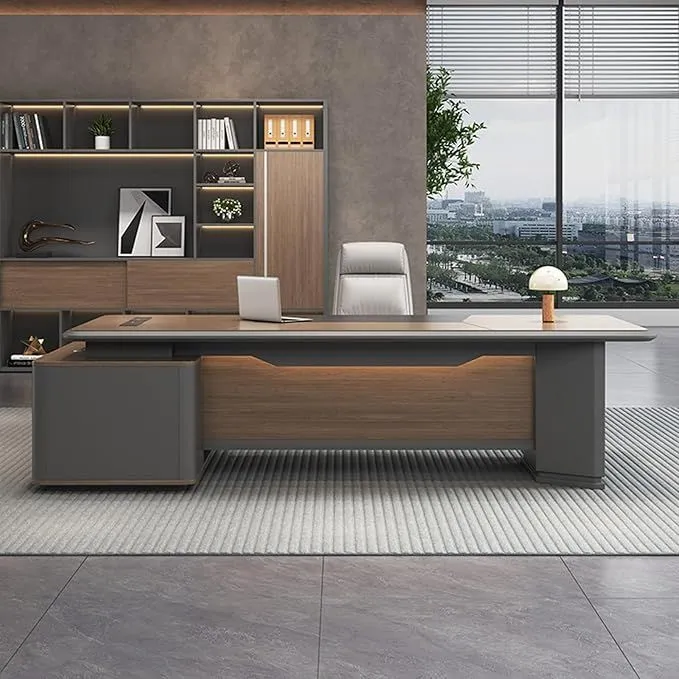
Businesses can choose from individual desks, shared workstations, corner configurations, executive desks, and modular systems. Each option has a different purpose. Individual desks can provide greater personal space, while shared arrangements can encourage communication between employees working on related tasks.
Desk height is another consideration. The desk should work comfortably with the chosen chair and allow employees to position their equipment appropriately. A workstation that is too small, too low, or too high can make routine tasks less comfortable.
Giving Employees Better Seating Support
Comfortable seating can have a direct effect on the daily office experience. Employees who remain seated for extended periods need chairs that provide adequate support and allow adjustments according to their individual needs.
Adjustable seat height can help employees position themselves correctly in relation to their desks. Back support, lumbar support, armrests, and suitable seat depth can provide additional comfort. A chair should also allow employees to move naturally rather than restricting their working position.
Meeting rooms require comfortable chairs as well. Discussions can sometimes continue for extended periods, so participants should not have to deal with uncomfortable seating. Reception chairs should also provide visitors with a pleasant place to sit while maintaining the professional appearance of the business.
Improving Organization Through Smart Storage
A clean workplace is easier to manage when employees have enough storage. Documents, stationery, files, equipment, and personal belongings can quickly create clutter if there is no dedicated place for them.
Businesses can introduce different storage solutions according to their requirements. Filing cabinets can organize documents, cupboards can hold larger supplies, shelving can display or store materials, and mobile pedestals can provide convenient storage beside workstations. Lockers can give employees individual spaces for personal belongings.
Storage placement is just as important as storage capacity. Items used regularly should remain within easy reach, while archived materials can be kept in less accessible areas. This approach can reduce unnecessary movement and help employees maintain cleaner workstations.
Designing an Appealing Reception Environment
A reception area should be functional while presenting a professional image. It is often the first workplace area experienced by customers, suppliers, candidates, and other visitors. An organized reception can communicate attention to detail before a conversation even begins.
The reception desk should provide enough room for staff to perform administrative duties. It should also fit naturally into the room without making the entrance feel restricted. Visitor seating should be positioned conveniently and should not interfere with primary walkways.
Storage can be included within or near the reception area to keep documents and office supplies organized. The furniture finish can be selected to complement the company's wider interior style, creating a consistent visual impression.
Building More Practical Meeting Rooms
Meeting rooms should encourage communication while supporting the equipment used during discussions. The conference table is usually the central feature, so its dimensions should match both the room and the expected number of participants.
A suitable table should leave enough space for laptops, notebooks, documents, and presentation materials. Participants should also have sufficient room to move their chairs comfortably.
Technology has become an important part of meetings, making cable management and equipment placement increasingly important. Screens, cameras, speakers, charging points, and other devices should be positioned so that participants can use them without creating unnecessary clutter.
Making Smaller Offices More Efficient
Small workplaces require careful decisions because every piece of furniture occupies valuable space. Compact desks can provide adequate working surfaces without overwhelming the room. Tall cabinets and vertical shelving can increase storage capacity without consuming large areas of floor space.
Furniture that serves multiple purposes can be especially helpful. A table may be used for meetings, project work, training sessions, or temporary individual tasks. Mobile chairs can be moved when more open floor space is required.
A smaller office should also maintain clear walkways. Employees need enough room to move between workstations and other areas without constantly navigating around furniture. A simple and uncluttered arrangement can make the entire room feel more comfortable.
Introducing Flexible Work Areas
The modern workplace may need to support different activities throughout the day. Employees might work individually in the morning, participate in a group discussion later, and use the same area for training or presentations afterward.
Flexible furniture makes these transitions easier. Movable tables, lightweight chairs, modular workstations, and mobile storage can be rearranged according to the activity. This approach gives businesses more control over their available space.
Flexible arrangements can also be useful when teams change. Instead of replacing an entire furniture system whenever departments expand or reorganize, businesses can modify the existing arrangement to suit new requirements.
Creating a Consistent Professional Appearance
The appearance of an office can influence how employees and visitors perceive the workplace. Furniture does not need to be identical throughout the building, but different areas should have some visual connection.
Businesses can select complementary materials, finishes, and shapes to create consistency. Natural wood finishes may provide a warmer atmosphere, while simple surfaces and clean lines can create a more contemporary professional setting.
The goal should be to create a workplace that looks organized without sacrificing functionality. Decorative choices should complement the furniture rather than interfere with employee movement or available working space.
Considering Furniture Quality and Durability
Office furniture is used frequently, so durability should be considered before making purchasing decisions. Businesses should examine materials, construction, maintenance requirements, warranties, and expected product lifespan.
A low purchase price may not always represent good value if furniture needs to be replaced regularly. Products designed for frequent use may provide greater long-term value when they remain functional for several years.
High-use areas deserve particular attention. Employee workstations, reception desks, conference tables, and frequently occupied chairs can experience significant daily wear. Investing in dependable pieces for these areas can reduce future replacement costs.
Supporting Focus and Team Communication
Different tasks require different workplace environments. Employees performing detailed work may need quiet areas where they can concentrate, while teams working on projects may require spaces for discussion and collaboration.
Furniture placement can help create these separate zones without requiring permanent construction. Desks can be arranged to provide focused work areas, while meeting tables and shared seating can support teamwork.
Small collaboration areas can also reduce interruptions at individual workstations. Employees can move to these spaces when they need to discuss projects, review ideas, or work together on a particular task.
Incorporating Technology Into the Workspace
Technology should be considered when planning furniture because computers and digital equipment are essential in many modern workplaces. Desks should have sufficient space for monitors and accessories, while meeting tables should accommodate laptops and presentation equipment.
Cable organization can make a significant difference to the appearance and safety of the workplace. Properly managed cables reduce visual clutter and help keep walking areas clear.
Charging access can also improve convenience. Shared areas, conference rooms, and collaborative spaces can benefit from accessible power points so employees can continue using laptops and mobile devices without unnecessary interruptions.
Preparing for Future Changes
A business may look very different several years after its current office layout is created. Employee numbers may increase, departments may change, and working practices may evolve. Furniture choices should take these possibilities into account.
Modular and adaptable systems can make future changes easier. Additional workstations can be added, existing desks can be rearranged, and storage can be relocated when necessary. Maintaining some unused capacity can also make future expansion less disruptive.
Planning ahead can help businesses avoid purchasing completely new furniture whenever their organization changes. A flexible workplace can adapt while continuing to support employees effectively.
Making Practical and Responsible Choices
Businesses can also consider the long-term impact of their purchasing decisions. Durable products can remain useful for longer and reduce unnecessary replacement. Furniture that can be repaired, reconfigured, or reused can provide additional value.
Maintenance should be considered from the beginning. Materials that are easy to clean and maintain may be particularly useful in reception areas, meeting rooms, and high-traffic workplaces.
Responsible purchasing does not mean sacrificing appearance or comfort. It means selecting furniture that provides useful performance over a reasonable period while supporting the company's practical requirements.
Conclusion
Creating a successful workplace requires thoughtful decisions about layout, comfort, storage, appearance, technology, and future needs. The right combination of desks, chairs, workstations, cabinets, meeting furniture, and reception pieces can help employees work more comfortably while giving visitors a positive impression. Businesses should focus on furniture that matches their actual workflow rather than choosing products based only on appearance or price. With careful planning, durable materials, and adaptable arrangements, Queens arts and trends can be part of a professional approach to developing a workplace that remains organized, functional, and comfortable for years to come.

Photos


Share this page with your family and friends.