
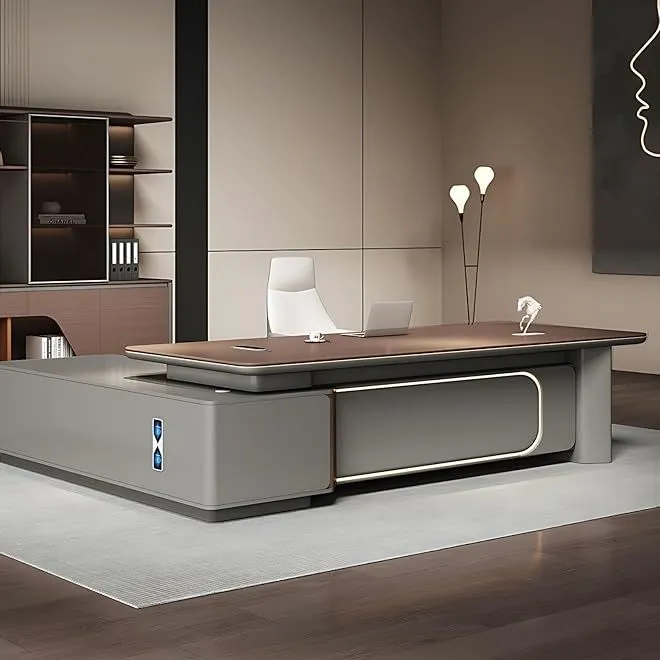
A successful workplace should make it easier for people to complete their responsibilities while keeping the environment comfortable and organized.
Related Blogs

Office Furniture: Practical Workspace Planning For Modern Offices
13 minutes, 28 seconds
-263 Views 0 Comments 1 Like 0 Reviews
A successful workplace should make it easier for people to complete their responsibilities while keeping the environment comfortable and organized. Office furniture contributes to this goal by providing dedicated spaces for individual work, meetings, storage, communication, and visitor reception. The furniture selected for an office can influence how efficiently space is used and how employees interact with their surroundings. For businesses in Manila, Quezon City, and across the Philippines, a carefully planned workspace can provide practical benefits while maintaining a professional appearance.
Start With The Purpose Of The Workspace
Before purchasing furniture, businesses should understand what they want each area of the office to accomplish. A customer service department may need closely arranged workstations, while a creative team may require larger surfaces and flexible seating. Managers may need private offices, whereas departments that depend on frequent communication may work better in shared spaces.
Planning according to purpose prevents businesses from purchasing furniture that does not suit their daily activities. It also helps create a logical flow between different sections of the workplace. Employees should be able to move between desks, meeting rooms, storage areas, and shared equipment without unnecessary obstacles.
Select Desks According To Employee Needs
Desks are central to most office environments, but their requirements can vary considerably. Employees who use computers throughout the day need enough room for monitors, keyboards, documents, and accessories. Staff members who handle paperwork may require additional working space, while employees in smaller work areas may benefit from compact desk designs.
L-shaped desks can make effective use of corners, while straight desks are suitable for many conventional layouts. Shared benching systems can provide an efficient solution for larger teams. Adjustable desks can also offer greater flexibility for employees who prefer to change their working position during the day.
Build Comfortable Employee Work Areas
A workstation should allow employees to work without feeling restricted. There should be sufficient legroom beneath the desk, convenient access to storage, and enough surface area for essential equipment. Cable management is another consideration because loose cables can create clutter and make cleaning more difficult.
Partitions can provide separation between employees without requiring individual rooms. Lower dividers may preserve an open feeling, while taller screens can provide greater privacy. The appropriate setup depends on whether the business prioritizes teamwork, individual concentration, privacy, or a combination of these factors.
Give Greater Attention To Office Chairs
Employees can spend many hours seated during a normal workday, making the chair one of the most important workplace purchases. A well-designed chair should provide adequate support and allow users to adjust the seating position according to their individual requirements.
Features such as adjustable height, lumbar support, armrests, and a stable base can improve everyday usability. Breathable materials may also be useful in warm working environments. Businesses should test seating where possible and consider long-term comfort instead of judging chairs purely by their visual design.
Use Storage To Keep Work Areas Clear
An organized office is easier to work in when documents and supplies have dedicated storage locations. Filing cabinets can hold important records, while cupboards can accommodate office supplies and equipment. Shelving can be useful for reference materials and frequently accessed items.
Personal storage near employee workstations can reduce the amount of clutter left on desks. Mobile pedestals are particularly useful because they can be moved when the office arrangement changes. Businesses should also consider whether documents need secure storage and choose suitable cabinets accordingly.
Plan Shared Areas Carefully
Shared spaces such as conference rooms, discussion areas, and collaboration zones require furniture that supports multiple users. A conference table should be large enough for regular meetings but should not consume the entire room. There should be adequate clearance around chairs so people can sit down and leave without disrupting others.
For informal discussions, smaller tables and comfortable chairs may be more appropriate. Flexible furniture can allow one area to serve several purposes, such as team meetings, training sessions, presentations, or project discussions. This can be especially useful for offices where space is limited.
Improve The Reception Experience
Reception is one of the first areas visitors encounter, so its design should balance appearance and practicality. A reception desk should give staff enough room to handle administrative responsibilities while maintaining a neat presentation. Visitor seating should provide comfort without creating congestion.
Furniture finishes should complement the company's interior design and create a consistent appearance. A reception area does not need excessive furniture to look professional. Carefully selected pieces, suitable spacing, and an uncluttered arrangement can create a welcoming environment.
Consider The Available Floor Area
The size and shape of an office should influence every furniture decision. Businesses should measure rooms, entrances, corridors, and other relevant areas before ordering large pieces. This can prevent problems during delivery and ensure furniture fits comfortably into the intended location.
Smaller workplaces can benefit from compact desks, vertical storage, multifunctional tables, and movable units. Larger offices may have enough room for separate meeting areas, executive rooms, collaborative zones, and employee lounges. The objective is to use space efficiently without making employees feel restricted.
Focus On Long-Term Durability
Workplace furniture is used repeatedly, so construction quality matters. Desks should have strong frames and surfaces that can withstand normal office activity. Storage cabinets should have reliable hinges, handles, and locking mechanisms when security is required. Chairs should be sturdy enough for regular daily use.
The material selected can also affect maintenance. Easy-to-clean surfaces can be practical for busy workplaces, while durable upholstery may be preferable for frequently used seating. Considering expected usage before purchasing can help businesses select products that remain functional over a longer period.
Create A Consistent Office Appearance
A coordinated interior can make different areas of a workplace feel connected. This does not mean every piece needs to be identical. Instead, businesses can use complementary finishes, materials, shapes, or colors to create a consistent visual direction.
The chosen style should also suit the organization's identity. A contemporary business may prefer clean lines and flexible layouts, while a traditional professional environment may favor formal desks and classic finishes. The workplace should feel appropriate for employees as well as clients and other visitors.
Think About Employee Collaboration
Furniture arrangement can influence how easily employees communicate. Teams that frequently exchange information can benefit from shared work areas and nearby discussion spaces. Departments that require greater concentration may need quieter sections with more separation.
Collaborative furniture can include shared tables, small meeting desks, comfortable discussion chairs, and flexible workstation arrangements. These additions can give employees alternatives to working at individual desks all day. A workplace with different types of areas can better support different tasks.
Prepare For Business Growth
Companies should consider how their furniture will perform when the workforce changes. A layout that works for ten employees may not be suitable when the team grows to twenty. Modular furniture can make expansion easier because additional components can often be added without completely redesigning the office.
Movable storage and adaptable desks can also help businesses respond to changes in departments or staffing. Leaving some flexibility in the layout can be more practical than filling every available space from the beginning.
Make Budget Decisions Carefully
A furniture project should begin with a realistic budget. Businesses need to account for desks, chairs, storage, meeting furniture, reception pieces, delivery, and installation. Prioritizing essential items can prevent spending money on furniture that does not contribute significantly to workplace operations.
Price should not be the only deciding factor. Durability, comfort, maintenance, warranty coverage, design flexibility, and expected lifespan can all influence the actual value of a product. Spending more on frequently used furniture may make sense when it provides better long-term performance.
Connect Furniture With Workplace Efficiency
The real purpose of Office furniture is to support the way people work. When employees have suitable desks, comfortable seating, accessible storage, and properly arranged work areas, everyday tasks can become easier to manage. Good furniture planning can also reduce clutter and create clearer movement throughout the office.
Technology should be considered as part of the setup. Workstations may need access to power outlets, monitor space, charging points, and cable management solutions. Meeting areas may require space for presentation equipment and communication devices. Combining furniture planning with technology requirements can produce a more functional environment.
Maintain Furniture For Better Longevity
Regular maintenance can help preserve workplace furniture. Desks and cabinets should be cleaned using appropriate methods, while chairs and moving components should be checked periodically. Loose fittings, damaged surfaces, or worn components should be addressed before they become bigger problems.
Employees can also contribute by using furniture responsibly and keeping shared spaces tidy. Simple maintenance practices can protect the office appearance and reduce unnecessary replacement costs.
Build A Workspace That Supports Business Goals
Office furniture should be selected as part of a broader workplace strategy. Businesses need to think about their employees, customers, available space, operational requirements, and future plans before making major purchasing decisions. A desk that works well in one department may not be suitable for another, and a layout that looks impressive may not always be practical.
The best workspace combines comfort, organization, functionality, and professional presentation. With careful planning, businesses can create areas that support focused work, teamwork, meetings, administration, and visitor interaction without wasting valuable floor space.
Conclusion
A carefully planned office can improve the everyday experience of employees while creating a more organized setting for clients and visitors. Suitable desks, supportive chairs, functional storage, practical workstations, and well-planned meeting areas can help businesses make better use of their workplace. Companies should consider durability, comfort, layout, maintenance, budget, and future expansion when selecting furniture. For businesses exploring dependable workplace solutions, Office furniture express can be considered as part of the planning process.

Photos


Share this page with your family and friends.