
Related Blogs

Office Table Choices For Well-Planned Business Interiors
12 minutes, 39 seconds
-197 Views 0 Comments 1 Like 0 Reviews
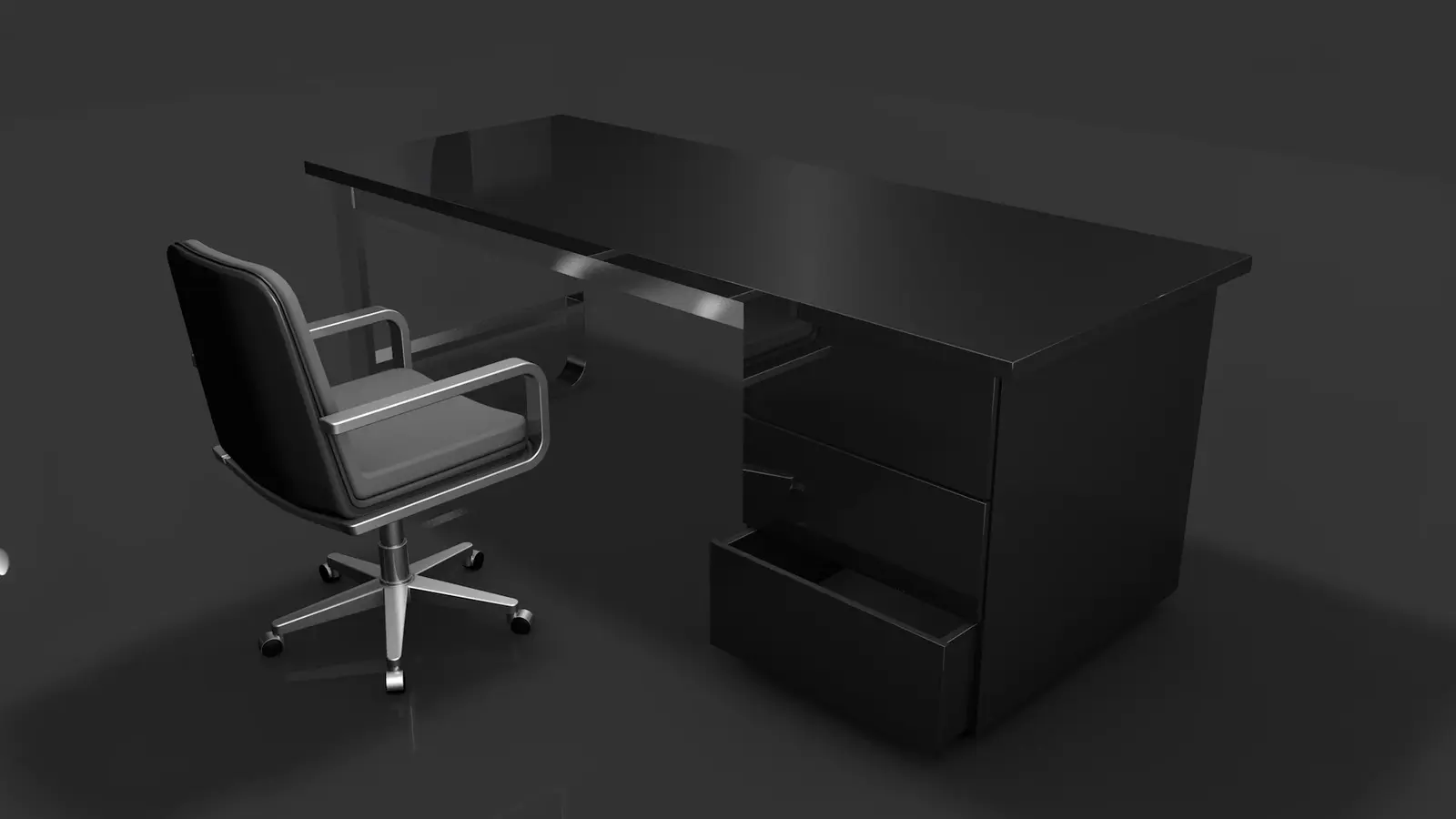
A suitable Office table plays an important role in creating a workplace where employees can work comfortably and keep their daily activities organized. Desks support computer use, paperwork, online meetings, planning, communication, and many other responsibilities. Because employees interact with this furniture every day, businesses should consider more than appearance when making a purchase. Desk dimensions, construction, materials, storage, comfort, room layout, and expected usage all deserve attention. A properly selected workstation can help businesses use their available space wisely while maintaining a clean and professional office environment.
Identify What Your Employees Need
The most suitable furniture depends on the type of work performed at each workstation. Employees who spend most of their time working with computers may need room for monitors, keyboards, and other accessories. Staff who regularly manage paperwork may require additional surface space and convenient storage. Teams that work together frequently may benefit from shared workstations or larger collaborative tables.
Business owners should therefore evaluate employee responsibilities before selecting furniture. Understanding these requirements can prevent the common problem of giving every employee an identical setup when their daily activities are different. Furniture should make work easier rather than forcing employees to adjust their routines around an unsuitable desk.
Plan The Office Before Buying Furniture
A good furniture plan begins with the available floor area. Measure each room carefully and consider fixed features such as doors, windows, pillars, power outlets, and existing storage. These details can affect where desks can be placed and how much usable space remains.
Walkways should remain clear so employees and visitors can move around comfortably. Desk placement should also allow cabinets and drawers to open properly. By planning the layout in advance, businesses can avoid overcrowding and create a more practical arrangement.
Pick Desk Dimensions Carefully
Desk dimensions have a direct effect on working comfort. A surface that is too small can quickly become crowded with computers, documents, and stationery. A desk that is unnecessarily large may consume valuable floor space that could be used for other purposes.
The ideal dimensions depend on the user's role and available room. Employees with multiple screens may require wider workstations, while laptop-based workers may be comfortable with more compact furniture. Measuring equipment before selecting a desk can help ensure that everything fits comfortably.
Think About The Desk Shape
Different desk shapes can solve different space and workflow requirements. Straight desks are easy to arrange in rows or along walls. L-shaped workstations can provide more surface area while fitting naturally into corners. Shared configurations can create dedicated spaces for teams that communicate regularly.
The layout of the room should guide the choice. Businesses should consider where employees will sit, how they will move around the office, and how often they need to communicate with colleagues. A suitable shape can improve space utilization without compromising functionality.
Focus On Reliable Construction
Office furniture needs to withstand regular use. Employees may repeatedly move equipment, write on the surface, clean the desk, and place heavy items such as monitors and computers on it. Strong construction can help the furniture remain stable and functional over time.
Businesses should inspect the quality of the frame, joints, tabletop, edges, and supporting components. Choosing reliable construction may reduce the likelihood of premature damage and help extend the useful life of the furniture.
Office Table Materials And Finishes
Material selection affects both durability and visual appeal. Laminated surfaces can be practical for busy workplaces because they are generally simple to maintain. Wood-inspired finishes can add warmth, while minimalist surfaces can support a clean contemporary appearance.
The selected finish should complement the office interior. Businesses can coordinate desks with chairs, cabinets, partitions, and other furniture to create a consistent appearance. Material selection should always balance visual preferences with everyday maintenance and usage requirements.
Make Storage Easy To Access
Storage is an important part of an efficient workstation. Employees may need to keep documents, files, stationery, personal belongings, and other materials nearby. Without suitable storage, the desk surface can become cluttered.
Pedestals, filing cabinets, drawers, and shelves can provide useful additional capacity. Frequently used items can remain within easy reach, while less frequently accessed documents can be stored elsewhere. A practical storage arrangement helps keep the main desk surface available for active work.
Improve Cable Organization
Electronic equipment has become an essential part of most offices. Computers, monitors, phones, chargers, and other devices can create multiple cables around a workstation. Poor cable management can make a desk look untidy and may interfere with movement.
Furniture with cable ports or routing options can help keep wires more organized. Power connections should also be considered when planning the desk layout. Keeping cables controlled can make cleaning easier and contribute to a more orderly appearance.
Support Employee Comfort
Employee comfort should be included in the furniture selection process. Desk height, legroom, working surface depth, and chair compatibility all affect the overall workstation experience.
A desk should allow employees to position their monitor, keyboard, and mouse naturally. There should be enough room underneath the surface for comfortable leg movement. When furniture dimensions work well with ergonomic office chairs and equipment, employees can enjoy a more practical working setup.
Design Better Executive Workspaces
Executive offices often require furniture with additional surface area and storage. Managers may use their desks for reviewing reports, signing documents, holding discussions, and working with computers. A larger workstation can provide the necessary flexibility.
The furniture should still be appropriate for the room's dimensions. An oversized desk can make a smaller executive office feel restricted. Selecting furniture that matches the scale of the room creates a more balanced and professional environment.
Create Efficient Team Areas
Employees who work on shared projects may benefit from workstation arrangements that encourage communication. Grouped desks can allow team members to remain connected while maintaining individual work areas.
Businesses can also introduce collaborative spaces where employees can gather for quick discussions or project planning. These areas reduce the need to hold every conversation at an individual workstation and can make the office more versatile.
Build Functional Meeting Rooms
Meeting rooms should provide enough space for participants to sit comfortably and use laptops or documents. The conference table should be proportional to the room rather than occupying most of the available floor area.
Technology should also be considered. Video conferencing equipment, display screens, power outlets, and charging requirements can influence furniture placement. Planning these details in advance creates a more useful meeting environment.
Use Limited Space Wisely
Small offices require efficient furniture choices. Compact workstations can provide employees with functional surfaces while preserving space for movement. Corner desks can also make use of areas that might otherwise remain unused.
Storage can be moved upward through shelving or tall cabinets where appropriate. Keeping unnecessary furniture out of the workspace can make a smaller office feel more open and comfortable.
Organize Larger Workplaces
A large office should also have a clear furniture strategy. Simply filling a large room with desks can create an inefficient environment. Instead, businesses can divide the office into functional zones.
Individual work areas, meeting rooms, collaborative spaces, reception areas, and storage sections can each have a defined purpose. This creates a workplace that is easier to navigate and better suited to different activities.
Prepare For Future Workplace Changes
Businesses can grow or reorganize over time. New employees may join, departments may move, and working practices may change. Furniture that offers flexibility can make these changes easier to manage.
Modular workstations are particularly useful because they can often be rearranged as requirements develop. Businesses should also think about future additions when selecting finishes and styles so that new furniture can blend with the existing setup.
Consider Long-Term Furniture Value
Price is an important consideration, but it should not be the only factor. A low-cost desk may become expensive if it needs frequent repairs or replacement. Businesses should evaluate construction quality, durability, maintenance, warranty coverage, and suitability for daily use.
A quality furniture investment can provide better long-term value when it meets the needs of employees and remains functional for an extended period. Careful comparison before purchasing can help businesses avoid unnecessary expenses.
Create A Professional Workplace
Office furniture contributes to the atmosphere visitors experience when they enter a business. A coordinated and organized workspace can create a positive professional impression. Employees can also benefit from an environment where equipment, storage, and work areas are arranged logically.
The Office table should therefore be viewed as part of the complete office environment rather than an isolated piece of furniture. Its size, appearance, position, and features should work together with the rest of the workplace.
Make The Right Furniture Investment
Selecting suitable office furniture requires a combination of practical planning and thoughtful design. Businesses should assess employee requirements, room dimensions, desk construction, materials, storage, comfort, technology, and future needs before making a final choice.
For businesses exploring contemporary workspace ideas, Modern office table designs can provide inspiration for creating a professional setting that balances appearance with practical requirements. A well-planned office ultimately gives employees the space they need to work efficiently while helping the business maintain an organized, comfortable, and welcoming environment.

Photos


Share this page with your family and friends.